
By Syed Muhammad Raza Shah, Insurance Consultant — 12+ years advising UAE residents and businesses on medical, motor and general insurance. Last updated: September 2026.
In short: Car insurance doesn’t cover war damage in the UAE under standard policies. That includes debris from intercepted missiles and drones. Since 2026, insurers offer war-risk add-ons at roughly 0.25–0.50% of the car’s value a year.
Rahul is a 38-year-old finance manager in Dubai, married with one son. On an evening in March 2026, fragments from an intercepted drone fell onto the open car park of his building in Al Nahda. His two-year-old SUV, worth about AED 140,000, had a smashed windscreen, a dented roof and a burnt rear bumper.
He had a comprehensive policy with agency repair, and he had never made a claim. He assumed he was fully covered. He called his insurer the next morning, and the answer took about four minutes. The damage came from an act of war, and war is excluded under the standard UAE comprehensive policy. The estimated repair bill was AED 31,500, and he had to pay it himself.
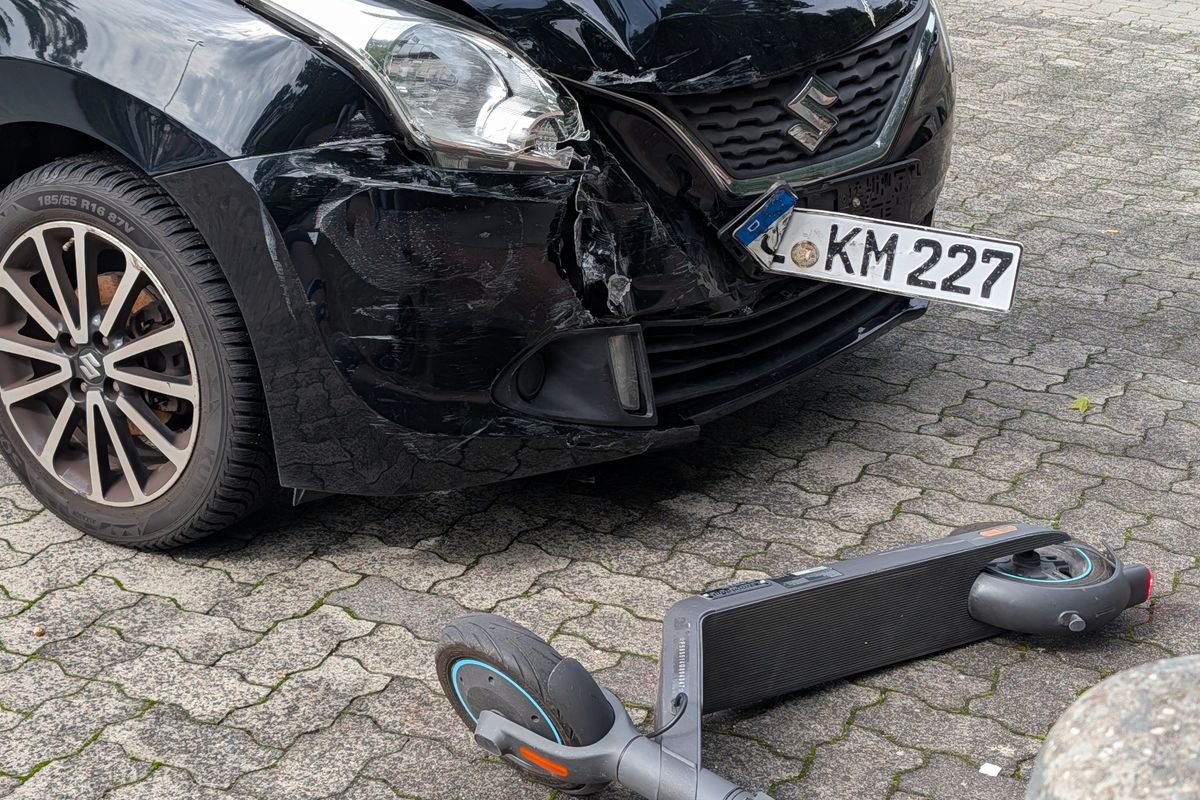
Rahul’s situation is common. Since the regional conflict began on 28 February 2026, thousands of UAE drivers have asked the same question: does car insurance cover war or missile damage in the UAE? Under a standard policy, it does not. What has changed is that insurers now sell add-ons that fill the gap. This guide explains what is excluded, what the new war-risk covers include, what they cost, and how to decide whether you need one.
Does Standard Car Insurance in the UAE Cover War Damage?
No. Both types of UAE motor policy exclude war:
- Third-party liability (TPL), the compulsory minimum, follows the Unified Motor Vehicle Insurance Policy Against Third Party Liability. It excludes war, civil war, civil unrest and radioactive contamination.
- Comprehensive (loss and damage) follows the Unified Motor Vehicle Insurance Policy Against Loss and Damage. Its exclusions cover damage caused by “war… civil war, strike, civil commotion, insurrection, revolution.”
These unified wordings are set by the regulator, which is now the Central Bank of the UAE (CBUAE). Every licensed insurer uses them as the base, so switching insurers won’t get you war cover by default. The only way to have it is through an extension or add-on that the insurer adds to your policy on purpose.
Why “debris” counts as war damage
Many drivers assume that damage from falling debris, rather than a direct hit, is just an “accident”. Insurers don’t see it that way. If the debris came from a missile, drone or interceptor, the loss was caused by hostile military action, and war exclusions are written around the cause. The same applies to:
- Glass shattered by a nearby blast
- Fire that spreads to your car from a strike on a building or car park
- Damage caused while emergency services respond to an attack
If the root cause is an act of war, the standard exclusion applies no matter how the damage physically happened.
What Has Changed in 2026: War-Risk Add-Ons for Cars
Demand for war-related cover rose sharply after February 2026. In May 2026, Sukoon Insurance launched an optional add-on for comprehensive policyholders. It covers direct physical damage from war, terrorism and civil unrest up to AED 5 million. Orient Insurance also announced political violence (including war) cover for privately owned vehicles and residential units in May 2026, and other insurers are developing similar products. The main obstacle is the cost of reinsurance: UAE insurers pass much of their war exposure to international reinsurers, and that cost ends up in your premium.
Industry experts quoted by The National put entry-level pricing at around AED 90 as an add-on. The premium is worked out pro-rata on your car’s insured value and the time left on your policy. Uptake is still described as “relatively low”, partly because of price and partly because no one is required to buy it.
What a car war-risk add-on typically covers
| Covered (typically) | Often excluded or limited |
|---|---|
| Direct physical damage from missiles, drones, interceptor debris | Nuclear, chemical or biological contamination |
| Damage from terrorism and sabotage | Confiscation or seizure by any government |
| Civil unrest, riot, strike (if included in the wording) | Loss of use, hire car, or consequential losses (unless stated) |
| Total loss of the vehicle up to the stated sum insured | Damage when the car is outside the UAE |
| Fire resulting from any of the above | Cover after the insurer gives notice of cancellation (see below) |
Wordings vary by insurer. Always read the specific extension schedule before paying.
The cancellation clause most people miss
Worldwide, war covers usually have a short-notice cancellation clause. The insurer (often because its reinsurer requires it) can cancel or re-price the war extension at short notice if the situation gets worse. Ask directly: “How many days’ notice do you need to cancel this extension, and would I get a pro-rata refund?” If the answer is 7 days, your cover could be withdrawn exactly when you need it most.
How Much Does War-Risk Car Insurance Cost in the UAE?
Pricing depends on vehicle value, the remaining policy period, the emirate you’re registered in, and each insurer’s reinsurance terms. The ranges below are for guidance only.
| Vehicle value | Typical comprehensive premium (annual) | War-risk add-on at 0.25%–0.50% of value (annual) |
|---|---|---|
| AED 50,000 (compact saloon) | AED 1,800 – 2,800 | AED 125 – 250 |
| AED 120,000 (mid-size SUV) | AED 3,000 – 4,800 | AED 300 – 600 |
| AED 250,000 (premium SUV) | AED 5,500 – 9,000 | AED 625 – 1,250 |
| AED 500,000+ (luxury / sports) | AED 10,000+ | AED 1,250 – 2,500+ |
Indicative ranges only — actual premiums depend on your profile, insurer, and current market conditions.
In May 2026, Khaleej Times reported motor war add-ons priced at about 0.25%–0.50% of the vehicle’s value. For most cars that’s a fraction of the base premium. Ask for a written quote for your specific vehicle. Compare that with Rahul’s AED 31,500 repair bill, several times what he paid for his annual comprehensive premium.
Do You Need War-Risk Cover? A Five-Question Test
Not everyone needs this cover. Answer these five questions.
- Where does your car spend the night? Open car parks and street parking carry more exposure than a covered basement. Parking next to infrastructure such as ports, airports, industrial zones or energy sites adds to that exposure.
- What would a total loss cost you? If you would struggle to replace your car out of savings, the add-on is inexpensive protection.
- Is the car financed? If it’s written off, your bank loan still has to be repaid. Some banks now ask whether war risks are covered. Check your finance agreement.
- Do you rely on the car for income? Sales, delivery and ride-hailing drivers lose income as well as the car.
- Would you rather accept a small, fixed cost than a large, uncertain one? That’s the whole idea of insurance. If a sudden AED 20,000–150,000 loss would seriously hurt you, the add-on makes sense.
If you answered “yes” to two or more, get a quote.
What About Third Parties? If Debris From Your Car Damages Someone Else
Say a drone strike sets your car alight and the fire spreads to your neighbour’s car. Normally your TPL cover handles damage you cause to others. But the unified TPL wording also excludes war, so neither your policy nor your neighbour’s standard policy responds. Each owner can generally claim only under their own war extension, if they have one. This is another reason war cover is worth considering for anyone who parks in shared car parks.
Step-by-Step: How to Add War Cover to Your Car Policy
- Find your policy schedule and look for “Exclusions” and “Extensions”. Confirm that war is excluded (it almost certainly is).
- Call or email your current insurer and ask whether they offer a war, terrorism or civil commotion extension. Ask for the wording in writing.
- Check the sum insured. It should match your car’s current market value, not what you paid for it.
- Check the deductible (excess). Some war extensions have a higher excess than your main policy.
- Ask about the cancellation notice period and whether you’d get a refund.
- Confirm agency repair applies to war claims as well as ordinary claims.
- If your insurer doesn’t offer it, ask a broker whether switching makes sense. The add-on usually sits on top of a comprehensive policy, so you may need to move your whole motor policy.
- Keep evidence ready. If a loss happens, photograph everything before the car is moved and get a police report that states the cause.
How to Make a War-Related Claim
If you have the extension:
- Report to the police immediately through the Dubai Police app, the relevant emirate’s police app, or 999 for emergencies. Ask for the report to state the cause, e.g. “damage from falling debris of an intercepted object.”
- Take time-stamped photos and video of the car, its surroundings and any debris. Don’t touch unidentified debris; leave it to the authorities.
- Notify your insurer within the notice period in your policy, which is usually a few days.
- Keep receipts for towing and storage.
- Keep a written record of every call, including the date, the name of the person you spoke to and what they said.
If you don’t have the extension, you probably can’t claim through insurance. Watch for official announcements: in exceptional events, UAE authorities have announced support measures in the past, but you shouldn’t count on it.
War Cover vs Other Motor Extensions: What Each One Does
Drivers often confuse the extensions on their motor schedule. Here’s how they differ:
| Extension | What it covers | Covers war? |
|---|---|---|
| Natural perils | Flood, storm, hail, sandstorm | No |
| Strike, riot and civil commotion (SRCC) | Damage during riots or civil disturbance | No (civil commotion is not war) |
| Terrorism | Damage from acts of terrorism | Usually no; state attacks are “war” |
| Political violence (including war) | War, terrorism, riots, sabotage | Yes |
| War risk add-on | Direct physical damage from war and hostile acts | Yes |
| Personal accident (driver/passengers) | Death or disability of occupants | Check wording; many exclude war |
Key point: only an extension that names war covers war damage. “Terrorism” or “riot” extensions alone won’t pay for missile or drone debris.
Fleet Owners: War Risk Across Many Vehicles
If you run a company fleet (delivery vans, sales cars, trucks), the exposure is concentrated. A single strike on a depot or car park could damage dozens of vehicles at once.
- Ask for a fleet-level war or political violence extension rather than adding cover vehicle by vehicle.
- Check the per-event limit. A policy that pays up to the value of each vehicle might still cap the total per event.
- Map where vehicles are parked overnight. Depots near ports, airports or industrial zones may attract higher pricing.
- Review business interruption. Losing 20 vans for three weeks is a revenue problem as much as a repair problem.
- Check finance and leasing agreements. Lessors increasingly ask whether war risks are insured.
Pricing for commercial vehicles is usually quoted on the fleet’s total value, location and use.
Common Myths About War Damage and Car Insurance
| Myth | Reality |
|---|---|
| “The government will pay for all war damage.” | Don’t assume it. Support measures in exceptional events aren’t guaranteed and may not cover private vehicles in full. |
| “If the debris came from our interceptor, it isn’t war.” | The cause is still hostile military action. War exclusions typically apply. |
| “Comprehensive means everything is covered.” | Comprehensive follows the unified wording, which excludes war, and floods unless extended. |
| “I’ll add war cover after something happens.” | Cover isn’t retroactive, and insurers may restrict new cover during escalations. |
| “My home policy covers my car in the building car park.” | Home policies don’t cover vehicles. Motor damage needs a motor extension. |
Timing: When to Buy War Cover
War-risk products are priced on current conditions and reinsurance capacity. In practice:
- Buying during calm periods is usually easier and cheaper than during escalations.
- Insurers may pause new sales or change terms quickly when risk rises.
- Mid-term additions are often possible, priced pro-rata for the remaining period. You don’t have to wait for renewal.
- At renewal, ask for the war extension to be quoted alongside the base policy so you can compare insurers on the full package.
If You Also Have Home and Travel Policies
War exclusions run across almost every personal policy, not just motor. While you’re reviewing your car, check:
- Home insurance: buildings and contents policies exclude war; residential political violence cover became available in 2026.
- Travel insurance: conflict-related cancellations and airspace closures are usually excluded.
- Life and personal accident: some policies exclude death or injury from war or “warlike operations”. Read the definitions.
- Health insurance: medical treatment for war-related injuries may be subject to specific wording. Ask your insurer.
One call to your broker can review all of them together.
Tip: When you get a war-risk quote, ask the insurer to confirm three things in the same email: the events covered, the limit and deductible, and the cancellation notice period. Having all three in writing makes any later claim much simpler.
Checklist: Before Your Next Motor Renewal
- ☐ I have read the exclusions section of my current policy
- ☐ I know whether war, terrorism and civil commotion are excluded
- ☐ I have asked my insurer (or a broker) for a war-risk extension quote
- ☐ The sum insured matches my car’s current market value
- ☐ I know the war-extension deductible and cancellation notice period
- ☐ Natural perils (flood, storm) are also included, since they are excluded from the base unified policy too
- ☐ I’ve told my finance bank if the loan agreement requires specific cover
Frequently Asked Questions
Does comprehensive car insurance cover missile debris in the UAE?
No. Standard comprehensive car insurance in the UAE excludes damage caused by war, including debris from missiles, drones and interceptors. The unified loss-and-damage policy set by the regulator lists war, civil war, strike and civil commotion as exclusions. You need a separate war-risk or terrorism extension to be covered, and only some insurers offer one.
How much does war-risk car insurance cost in the UAE?
War-risk add-ons for cars in the UAE were reported in May 2026 at about 0.25%–0.50% of the vehicle’s value a year, which is roughly AED 300–600 for a AED 120,000 SUV. Entry pricing from around AED 90 was also reported. The premium is usually calculated pro-rata on your car’s value and the time left on your policy. Prices are individually quoted and can change quickly with the regional security situation.
Which UAE insurers offer war cover for cars?
Sukoon Insurance launched a war, terrorism and civil unrest add-on for comprehensive policyholders in May 2026, with cover up to AED 5 million. Orient Insurance announced political violence (including war) cover for personal vehicles the same month, and other insurers are developing similar products. Availability changes often, so ask your insurer or a licensed broker for current options before you renew.
Does third-party car insurance cover war damage to other cars?
No. The UAE’s unified third-party liability policy excludes war, civil war and civil unrest. If war-related damage to your car spreads to someone else’s vehicle, your third-party cover won’t pay for it. Each owner would normally need their own war-risk extension.
Is terrorism the same as war in a car insurance policy?
Not always. Some policies treat terrorism separately from war, and some add-ons cover one but not the other. Read the definitions section: a policy might cover “terrorism” but still exclude “hostile acts by a sovereign state.” Ask your insurer to confirm in writing which events are covered.
Can my insurer cancel war cover once it’s in place?
Yes, in many cases. War extensions often include a short-notice cancellation clause that lets the insurer withdraw or re-price the cover if the situation gets worse. Ask how many days’ notice applies and whether you’d get a pro-rata refund of the add-on premium.
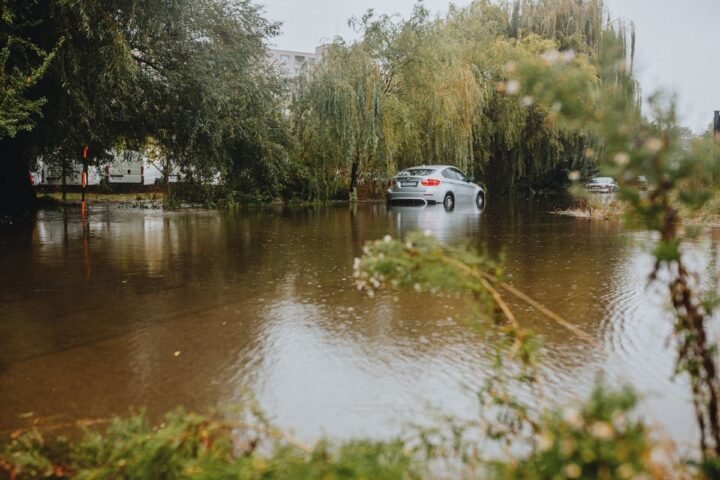
Is flood damage covered if I have war cover?
Not automatically. Flood is a separate risk. The base unified comprehensive wording excludes floods, storms and earthquakes, so you need a natural perils extension. Most comprehensive policies sold today include it, but check your schedule rather than assuming.
Related Reading
- Car Insurance Flood Cover in UAE
- Does Home Insurance Cover War Damage in UAE?
- Travel Insurance and Flight Cancellations in UAE
Conclusion
The rule is simple: standard UAE car insurance, comprehensive or third-party, does not cover war damage. That includes debris from intercepted missiles and drones. The fix is simple too. A war-risk add-on typically costs a small fraction of your base premium, while the damage it protects against can cost as much as a new car.
Your next step: take out your motor policy schedule today, check the exclusions and extensions pages, and ask your insurer or broker for a written war-risk quote before your next renewal. If you’d like a second opinion on your policy wording, send it to me through the inquiry page and I’ll tell you in plain English what is and isn’t covered.
Related Reading
- Car insurance flood cover in UAE, since natural perils need a comprehensive policy too
- Agency repair vs non-agency repair, to choose the right comprehensive cover
- Does home insurance cover war damage in UAE?, the same question for your home
Sources
- CBUAE Rulebook — Unified Motor Vehicle Insurance Policy Against Loss and Damage (Insurance Authority Decision No. 25 of 2016)
- CBUAE Rulebook — Unified Motor Vehicle Insurance Policy Against Third Party Liability
- The National, “UAE insurer offers vehicle war cover as missile attacks by Iran fuel demand”, 15 May 2026
- Khaleej Times, “UAE, GCC see surge in demand for war-related insurance after regional conflict”, 18 May 2026 (0.25–0.50% pricing)
- NewsX, “UAE Expands War Risk Insurance Cover For Homes, Cars And Cargo”, 14 May 2026 (Orient Insurance)
- Khaleej Times, “Are you covered? What UAE residents need to know about war-risk insurance”, April 2026 (citing AM Best)
The opening scenario is a composite illustration based on typical cases; names and details are fictional. Featured image: Photo by Vlad Deep on Pexels.

One comment