By Syed Muhammad Raza Shah, Insurance Consultant — 12+ years advising UAE residents and businesses on medical, motor and general insurance. Last updated: October 2026.
In short: Travel insurance and flight cancellation in UAE: standard policies usually exclude cancellations caused by war or conflict-related airspace closures. Buy cover when you book, consider disruption or cancel-for-any-reason options, and claim airline refunds separately.
The Menon family, Arjun (40, a hospital administrator in Sharjah), his wife Divya and their two children, had been planning a spring break in Georgia for months. Flights, a Tbilisi apartment, a driver for day trips and a ski lesson package came to about AED 14,600, all paid in advance. They bought a family travel insurance policy in January for AED 290.
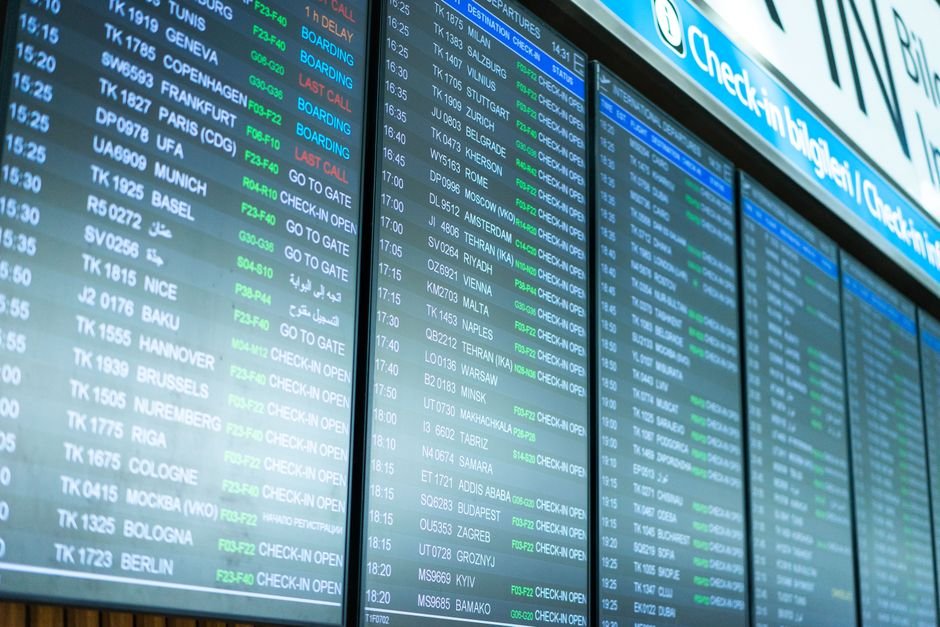
On 1 March 2026, two days before departure, their flight was cancelled when regional airspace closed. Over the next week, about 40,000 flights across the Middle East were cancelled between 28 February and 9 March. The airline eventually refunded the tickets. The apartment, the driver and the ski package, around AED 6,800 in total, were non-refundable.
Arjun submitted a trip cancellation claim. It was declined under the policy’s war and hostilities exclusion. He learned that most people who claimed for conflict-related cancellations in that period got the same answer.
If you’re planning travel from the UAE in 2026, you need to know what travel insurance covers for flight cancellations, what it excludes when conflict or airspace closures are involved, how the “known event” rule works, and how to protect the non-refundable parts of your trip.
Travel Insurance and Flight Cancellation in the UAE: The Short Answer
| Situation | Typically covered by standard UAE travel insurance? |
|---|---|
| Trip cancelled because you or a family member fell ill | Yes |
| Flight delayed by weather or technical fault | Yes (delay benefit) |
| Flight cancelled due to airspace closure from war or military action | Usually no. War and hostilities exclusion |
| Trip cancelled because you chose not to travel due to conflict fears | No. “Disinclination to travel” is excluded |
| Medical emergency abroad, unrelated to conflict | Yes |
| Injury caused directly by war while abroad | Often excluded |
| Emergency security evacuation | Not standard; needs specialist cover |
In March 2026, insurers told Khaleej Times that “many travel insurance policies exclude losses arising from war or conflict” and that they were “scrutinising exclusions more closely, especially around war, military action, and airspace closure.”
Why Conflict-Related Cancellations Are Usually Excluded
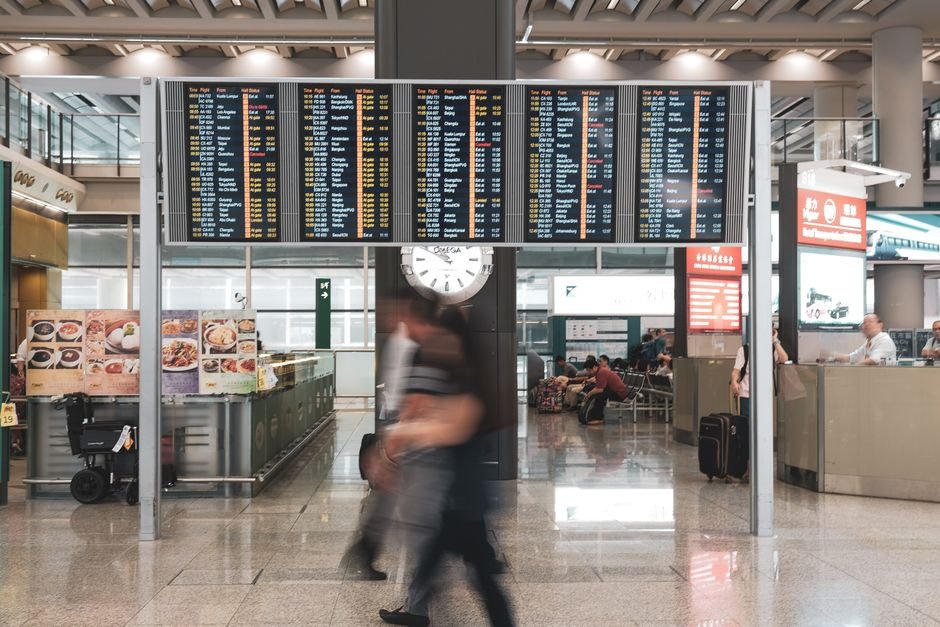
- War exclusion. Almost every travel policy excludes losses “directly or indirectly caused by war, invasion, acts of foreign enemies, hostilities…”. An airspace closure caused by military activity falls within that.
- Government action. Many policies exclude losses caused by government orders, including airspace closures, unless specifically covered.
- The known-event rule. If you buy a policy after a conflict has become public knowledge, anything arising from it is typically excluded, because it’s no longer an unforeseen risk.
Understanding the known-event rule
| When you bought the policy | Conflict-related cancellation |
|---|---|
| Before the event was public | Still subject to the war exclusion, but some policies with “travel disruption” or “government advice” extensions may respond |
| After the event was public | Almost always excluded |
Lesson: buy travel insurance when you book, not the week before you fly.
What Still Works During a Conflict
Standard travel insurance remains valuable for everything else:
- Medical emergencies abroad not caused by the conflict
- Emergency medical evacuation and repatriation for illness or injury
- Personal accident
- Baggage loss and delay
- Trip cancellation for covered personal reasons (illness, bereavement, jury service, etc.)
- Personal liability
Insurers also said premiums stayed within normal price ranges in 2026 despite the tensions.
How to Protect Your Trip in 2026: Six Strategies
1. Buy at the time of booking
It starts cover for personal-reason cancellations immediately and avoids the known-event problem for later developments.
2. Look for “travel disruption” or “government advice” extensions
Some policies, usually higher tiers, pay if a government advises against travel to your destination or if your transport is cancelled for reasons beyond your control. Read whether war-related disruption is carved out.
3. Consider “cancel for any reason” (CFAR) cover where available
CFAR typically reimburses a percentage (often 50–75%) of non-refundable costs whatever the reason, provided you cancel within the set time before departure. It costs more, but it’s the most flexible option.
4. Choose refundable or flexible bookings
In uncertain periods, flexible fares and free-cancellation accommodation may protect you better than insurance. Paying 10–15% more for flexibility can make sense.
5. Pay with a card that offers purchase protection
Some UAE credit cards include travel or purchase protection. Check the terms. They often have the same war exclusions, but can help with supplier failures.
6. Know your passenger rights, separately from insurance
When an airline cancels your flight, you’re usually entitled to a refund or rebooking from the airline, whether or not you have insurance. Flights departing from the EU may also fall under EU passenger rules for care and assistance, although compensation is often excluded in “extraordinary circumstances”. Claim these from the airline first.
Travel Insurance Costs from the UAE (2026)
| Trip | Indicative premium |
|---|---|
| Single trip, 1 week, Europe, individual | AED 50 – 150 |
| Single trip, 2 weeks, family of four, worldwide excl. USA | AED 250 – 600 |
| Annual multi-trip, individual, worldwide excl. USA | AED 400 – 1,200 |
| Higher tier with travel disruption / CFAR | Typically 30–60% more |
Indicative ranges only — actual premiums depend on your profile, insurer, and current market conditions.
Reading the Wording: Five Clauses to Check
- War / hostilities exclusion. Is it absolute, or is there a “passive war” or disruption carve-back?
- Government action / airspace closure. Is it excluded, or covered under travel disruption?
- Known events. From what date are known events excluded?
- Trip cancellation reasons. Is the list closed (only named reasons) or open?
- Evacuation. Is security or political evacuation included, or only medical?
If Your Trip Is Disrupted: Step by Step
- Contact the airline first for refund or rebooking, and get the cancellation reason in writing.
- Contact hotels and tour providers and ask for refunds or credit.
- Notify your insurer promptly, even if you expect a war exclusion, and ask for a written decision.
- Keep all receipts and booking confirmations.
- If refused, ask for the clause relied on. You can complain to the insurer and, after 30 days, escalate to Sanadak.
Traveller Scenarios: What Would Be Covered?
| Scenario | Standard policy | Higher tier with disruption/CFAR |
|---|---|---|
| You fall ill two days before departure and can’t travel | Covered (trip cancellation) | Covered |
| Your flight is cancelled because regional airspace closes during a conflict | Usually excluded (war / government action) | Possibly covered, depending on carve-backs; CFAR may reimburse a percentage |
| You decide not to travel because you’re worried about the news | Not covered | CFAR may reimburse a percentage |
| You’re injured in a road accident abroad | Covered (medical) | Covered |
| Your luggage is lost on a connecting flight | Covered (baggage) | Covered |
| You’re stranded abroad when your return flight is cancelled due to conflict | Usually excluded for extra accommodation | Some disruption covers pay extra costs; check war carve-outs |
| You need security evacuation from a destination | Not covered | Only with specialist evacuation cover |
Annual Multi-Trip Cover: Good Value for Frequent Travellers
If you travel three or more times a year, an annual multi-trip policy is often cheaper than buying single-trip cover each time. Check:
- Maximum days per trip (often 30, 45, 60 or 90)
- Area of cover: worldwide excluding USA/Canada, or including them
- Trip cancellation limit per trip
- Whether business trips are covered
- Whether it meets Schengen visa requirements if you travel to Europe
Buying annual cover at the start of the year also helps with the known-event rule, because cover is in place before most events arise.
Business Travellers and Employers
Companies sending staff abroad should consider:
- Corporate travel insurance covering all employees on business trips
- Security and evacuation services for higher-risk destinations
- Duty of care policies: tracking travellers and communicating during emergencies
- Clear rules on travel to areas under government travel advisories
- Checking health insurance for worldwide emergency cover for frequent travellers
After the March 2026 disruption, many UAE employers reviewed their travel policies. If yours hasn’t, now is a good time.
Families With Children and Older Parents
- Children: check age limits and whether family policies cover children free or at a reduced rate.
- Parents over 65: premiums rise and some policies cap age or require a medical declaration. Declare pre-existing conditions. Undeclared conditions are a leading cause of refused medical claims abroad.
- Pregnancy: many policies limit cover for travel in late pregnancy. Check the week limits.
- Domestic workers travelling with you: they need their own travel insurance (and visas).
How to Read a Travel Insurance Schedule Quickly
- Medical limit and area of cover. Is it enough for your destination?
- Trip cancellation and curtailment limits. Do they match your non-refundable costs?
- Excess per claim
- Exclusions (war, pre-existing conditions, adventure sports, alcohol)
- Emergency assistance number. Save it before you fly.
Claiming From the Airline vs Claiming From Your Insurer
When a flight is cancelled, you may have rights against both the airline and your insurer. They cover different things:
| Cost | Claim from airline | Claim from travel insurer |
|---|---|---|
| Unused ticket | Refund or rebooking | Only if the airline doesn’t refund and the cause is covered |
| Meals and hotel while waiting | Depends on airline policy and applicable passenger rules | Travel delay benefit, if the cause is covered |
| Non-refundable hotel and tours | Not the airline’s responsibility | Trip cancellation, if the cause is covered |
| Missed connections on separate tickets | Usually not covered | Missed departure benefit on some policies |
Always claim from the airline first. Insurers generally deduct anything the airline refunds, and they’ll ask for the airline’s written response.
Tip: Keep boarding passes, booking confirmations and all airline messages. They’re the evidence both the airline and the insurer will ask for.
Credit Card Travel Cover: Useful but Limited
Many UAE credit cards include complimentary travel insurance when you buy tickets with the card. Before relying on it:
- Check activation rules. You often must pay the full ticket with that card.
- Check the limits. Medical limits and trip cancellation may be lower than a standalone policy.
- Check exclusions. War exclusions usually apply here too.
- Check who’s covered. Family members may need to travel with the cardholder.
- Check Schengen compliance if you need a visa. Card cover often doesn’t produce a compliant certificate.
Checklist Before Your Next Trip
- ☐ Policy bought on the day of booking
- ☐ War exclusion and any disruption carve-back understood
- ☐ Travel disruption or CFAR option considered
- ☐ Flexible or refundable bookings where possible
- ☐ Medical limit adequate for destination (higher for USA)
- ☐ Emergency assistance number saved
Frequently Asked Questions
Does travel insurance cover flight cancellations due to war in the UAE?
Usually not. Most UAE travel insurance policies exclude losses caused directly or indirectly by war, hostilities or military action, which includes flight cancellations from airspace closures linked to conflict. During the March 2026 disruption, most such claims were declined. Some higher-tier policies with travel disruption or “cancel for any reason” cover may help.
Does travel insurance cover airspace closures?
It depends on the cause and the wording. Airspace closures caused by weather or technical issues may be covered under delay or disruption benefits. Closures caused by war or government action are commonly excluded. Check the war, government action and travel disruption clauses before buying.
What is the known-event rule in travel insurance?
The known-event rule means travel insurance won’t cover losses from an event that was already public when you bought the policy. If you buy after a conflict, strike or disaster is announced, related cancellations are typically excluded. Buying travel insurance when you book your trip avoids this problem.
Does travel insurance still cover medical emergencies during regional conflict?
Generally yes. Medical emergencies abroad that aren’t caused by the conflict, such as illness or accidental injury, remain covered under standard travel insurance. Injuries caused directly by war are often excluded. Emergency security evacuation isn’t standard and usually needs specialist cover.
Is cancel for any reason (CFAR) travel insurance available in the UAE?
CFAR-style cover is offered by some insurers and travel providers, usually as a higher-tier option. It typically reimburses 50–75% of non-refundable trip costs whatever the reason, if you cancel within a set time before departure. It costs more than standard cover, so compare it with flexible or refundable bookings.
How much does travel insurance cost from the UAE?
Travel insurance from the UAE typically costs AED 50–150 for a one-week single trip to Europe for one person, AED 250–600 for a two-week family trip worldwide excluding the USA, and AED 400–1,200 for annual multi-trip cover. These are indicative ranges only; actual premiums depend on age, destination and cover level.
Related Reading on War and Conflict Cover
- Does Car Insurance Cover War or Missile Damage in the UAE?
- Does Home Insurance Cover War Damage in UAE?
Conclusion
Travel insurance is still essential for medical emergencies, baggage and personal-reason cancellations, but standard policies don’t cover conflict-related disruption. In 2026, protect your trip in layers: buy insurance when you book, consider travel disruption or CFAR options, choose flexible bookings where you can, and claim airline refunds separately from insurance.
Your next step: before your next trip, check your policy’s war and government-action clauses and decide whether you need a disruption or CFAR upgrade. If you’d like help comparing options, send your trip details through the inquiry page.
Sources
- Khaleej Times, “Travel insurance in UAE amid conflict: Limits, key coverage, exclusions explained”, 12 March 2026 (40,000 flights cancelled 28 Feb–9 Mar; war exclusions; prices unchanged)
- UAE Expert Hub, “Does UAE Insurance Cover War Damage? Expat Policy Guide (March 2026)”
- Euronews, “Middle East flight cancelled? Here are your passenger rights and travel insurance advice”, March 2026
The opening scenario is a composite illustration based on typical cases; names and details are fictional.